Data is the backbone of any modern organization. The smooth functioning of business systems and the quality of outcomes produced by various teams within your organization depend on the accuracy of the data to which your systems are connected.
For instance, if you have an e-commerce store, your sales quotes, marketing campaigns, resource allocation, customer relationship management, website personalization, and almost every other operation crucial to your business require customer data, search history, order data, and purchase history. These databases are seamlessly integrated with relevant business systems to support every operation and generate business-critical insights for making decisions that impact your business.
Any loss of such business-critical data can seriously threaten your business; data theft and leaks can severely impact your profitability and cause irreparable reputational damage. Therefore, securing these databases is a top priority for any business, especially given the rise in data breaches and insider threats. This is where Database Activity Monitoring (DAM) plays a critical role in modern cybersecurity strategies.
This article explains what Database Activity Monitoring (DAM) is, how it works, and why it is essential for securing sensitive data. It also covers key features, benefits, best practices, and the differences between DAM and SIEM.
What Is Database Activity Monitoring?
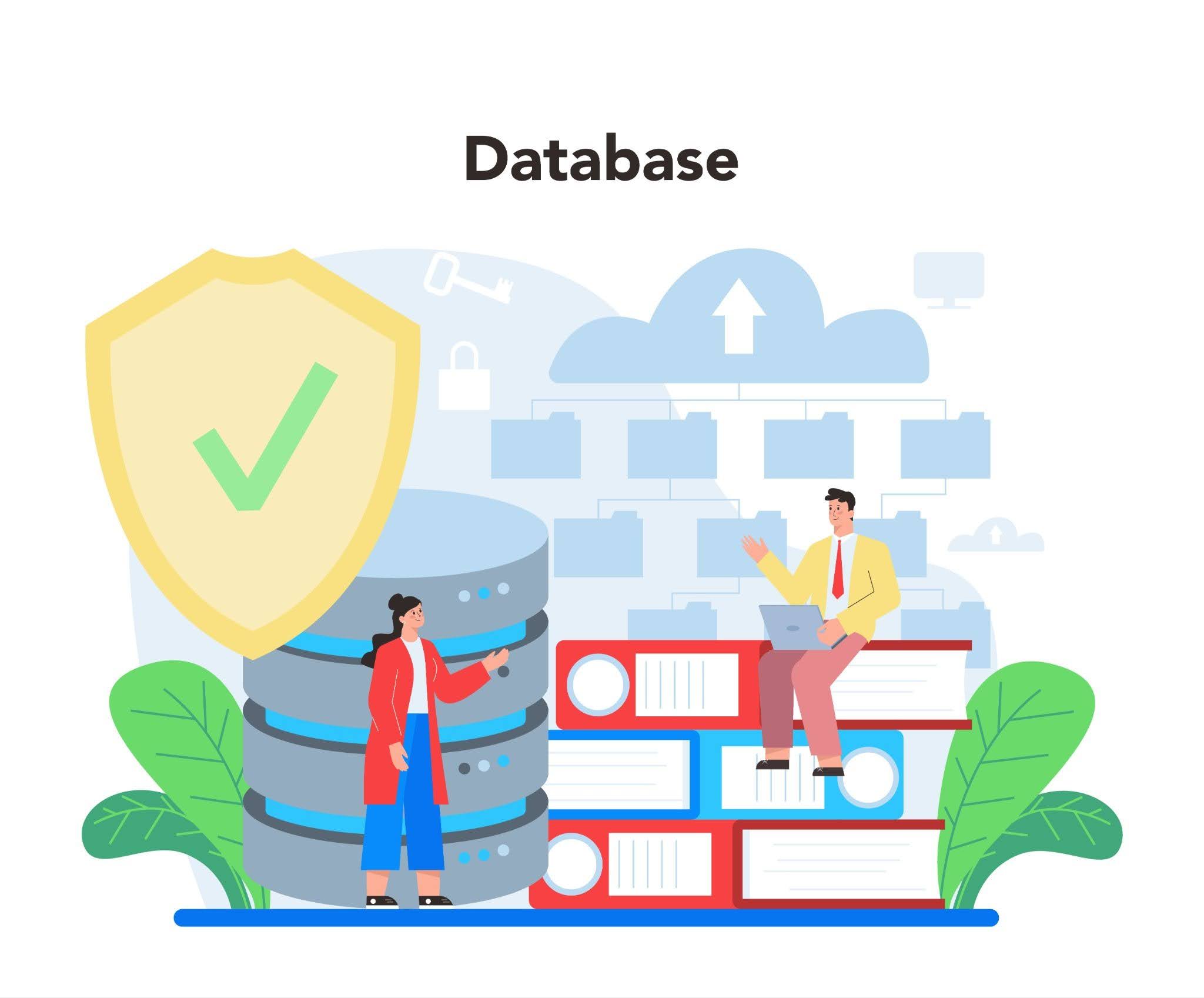
Database Activity Monitoring (DAM) is the process of securing a database environment by tracking and logging all activities within it and analyzing database interactions in real time. DAM provides visibility into user actions, detects suspicious behavior and anomalies in database activities, and helps prevent unauthorized access to data.
Database Activity Monitoring (DAM) significantly enhances the protection of all your sensitive, business-critical data by:
- Providing real-time database monitoring and insights into the activities within the database environments.
- Tracking and logging who accessed data, what changes were made, and whether any actions pose a security risk.
- Enforcing security and access policies, blocking/flagging unauthorized activities, and helping prevent unauthorized access.
- Conducting User Behavior Analytics (UBA) to analyze user patterns and detect insider threats.
- Instantly detecting anomalies, unusual behavior, suspicious activities, and potential attacks in real time.
- Maintaining database audit and compliance with regulations and generating reports for regulations like GDPR, HIPAA, and PCI DSS.
How Database Activity Monitoring Works
Database activity monitoring continuously captures, analyzes, and responds to activities in the database environment, including queries, logins, and data modifications, in real time, and provides full visibility into all those interactions. You can adopt two different approaches in database activity monitoring. They are:
1. Agent-based monitoring
In this approach, the DAM tools install lightweight agents on database servers and capture detailed activity at the source. This approach offers deeper visibility and ensures accuracy.
2. Agentless monitoring
In this approach, the data activity monitoring tools do not install agents on the servers. Instead, they monitor database traffic over the network, making it easy to deploy database activity monitoring. On the downside, this approach provides slightly less granular insights.
The DAM process involves three key steps:
1. Capture
In this step, the DAM tools record database activities, including but not limited to SQL queries, user logins, and configuration changes, in real time.
2. Analyze
DAM systems analyze recorded activities using predefined rules, behavioral analytics, or machine learning. In this step, they identify anomalies, unusual behavior, and potential threats.
3. Alert and Respond
When the systems detect any unusual activity or behavior, they trigger alerts. Depending on their capabilities, they can even automatically block or quarantine risky actions.
When integrated with SIEM platforms, modern database monitoring solutions can enable centralized security monitoring across systems, thereby strengthening proactive DAM security and improving the organization’s security posture.
Benefits of Database Activity Monitoring
The benefits of implementing DAM include:
- Enhanced database security monitoring through complete visibility into all database interactions
- Real-time security alerts and faster, proactive database threat detection and response
- Detailed logs and reporting for easy audits and investigation, and regulatory compliance support
- Monitoring of user activity and better control over their access privileges to reduce insider risks
- Improved operational visibility and better understanding of how databases are accessed and used
DAM vs SIEM: What’s the Difference?
Enterprise security comprises a range of tools for different purposes and to secure various assets. Among them, Database Activity Monitoring (DAM) and Security Information and Event Management (SIEM) might sound similar. However, they serve different but complementary roles.
On the one hand, the DAM is a specialized tool for securing your enterprise data. It focuses specifically on database activity, providing deep, real-time visibility into database transactions and user actions.
On the other hand, the SIEM is a more comprehensive security tool that collects and analyzes data from multiple systems across an organization’s IT environment. It provides visibility across the enterprise digital infrastructure, helps detect a wide range of threats, and generates alerts regarding suspicious activities and anomalies across the enterprise security systems.
SIEM can integrate multiple security tools and provide complete visibility across your enterprise security ecosystem. By integrating the DAM with SIEM, you can enhance overall security and strengthen your organization’s security posture.
Database Monitoring Best Practices
The DAM tools are highly capable. However, you can maximize their effectiveness further and ensure long-term security and compliance by following these best practices:
1. Enable Continuous Monitoring
In an enterprise setup, the database environment is busy with activities most of the time. Intermittent monitoring and leaving the database environment unsupervised for even a short time can be detrimental. Enabling continuous monitoring provides you with visibility and control over your database environment 24/7. It helps you enhance threat detection.
2. Apply Least Privilege Access
Not everyone needs to access all the data all the time, nor should everyone have the authority to modify databases any time they want. Only the authorized users may access the database. That access must be time-bound. Once their purpose of database access is over, their privileges must be revoked and least privilege access should be enforced to reduce risk of misuse and insider threats.
3. Conduct Regular Audits
Just because you have not faced any serious data breaches or attacks yet, it does not mean there are no threats to your data. Most of the time, threats remain hidden. If you fail to identify them proactively, they may escalate into serious data breaches later. Your database monitoring tools continuously record all activities in your database environment. By regularly auditing them, you can identify anomalies and hidden threats.
4. Integrate with Other Security Tools
A standalone security tool is always less capable than an integrated system that encompasses multiple security tools, as fragmented tools have limited scope and capabilities; they also provide limited visibility and create silos. However, if you integrate standalone DAM tools with other security systems, such as a Security Information and Event Management (SIEM) system and identity management tools, you can eliminate silos, enhance visibility, and secure your precious data more effectively.
5. Set Up Real-Time Alerts
Detecting threats in real time and neutralizing them early is much easier and far less damaging than combating them after they can escalate into bigger attacks and data breaches. By enabling real-time alerts, you can identify suspicious activities and respond much more quickly.
Final Thoughts: Protecting What Matters Most
In an era of data-driven business operations and decision-making, data is precious for business success. Database Activity Monitoring tracks and records actions within your database environment in real time and offers robust protection for all your sensitive business data in a fast-evolving threat landscape.
Data activity monitoring tools ensure the security and resilience of your organization by providing real-time visibility, advanced threat detection, and compliance support for your databases. Selecting the right database activity monitoring software can make the difference between success and data loss and reputational damage. You can significantly reduce risks and strengthen overall cybersecurity with the right tools and the right database activity monitoring strategy.
FAQs
1. What does database activity monitoring do?
Database activity monitoring is a security process that tracks and records all actions within a database in real time, thereby detecting suspicious behavior, preventing unauthorized access, and helping you achieve compliance with security regulations.
2. What is database monitoring?
Database monitoring is the process of tracking database performance, availability, and security to ensure the efficient operation of systems. It also identifies other database issues, such as slow queries, downtime risks, and potential security threats.
3. What are the 4 types of databases?
The four types of databases are relational, NoSQL, hierarchical, and network.
4. What is a database activity monitoring tool?
The database activity monitoring tool observes and analyzes database activity in real time, providing alerts, audit logs, and threat detection capabilities. It ensures database security and compliance.